Breathing 101 for Gym-Goers: How to Get the Most Out of Your Workout
You're in the gym, working hard to meet your fitness goals. You're sweating, your heart is pounding, and you feel the burn in your muscles. But are you breathing properly?

BeRemindful
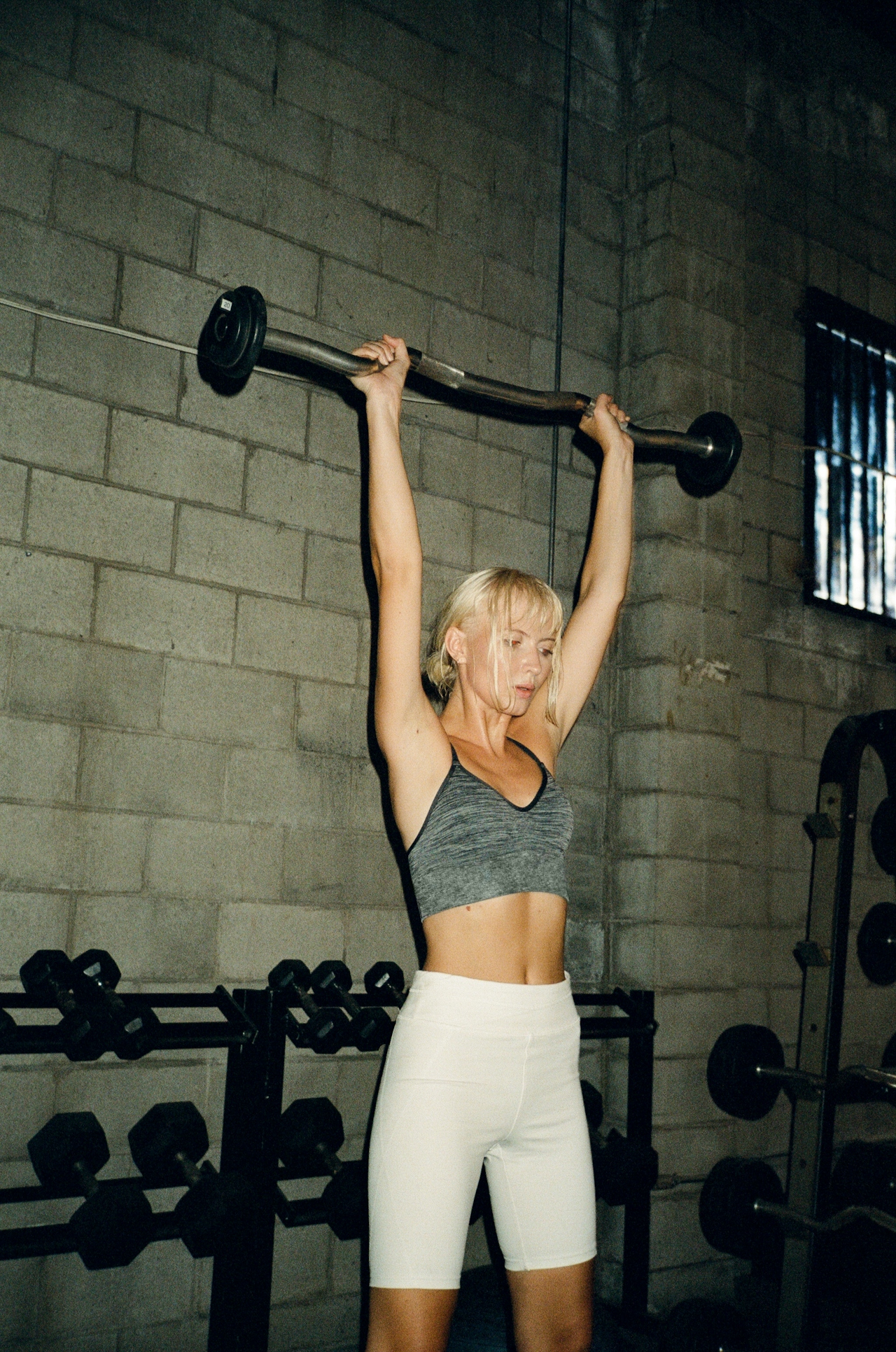
You’re in the gym, working hard to meet your fitness goals. You’re sweating, your heart is pounding, and you feel the burn in your muscles. But are you breathing properly?
We all know that breathing is important. After all, it’s an essential function that keeps us alive. But did you know that proper breathing techniques are also essential for maintaining a healthy lifestyle? That’s right—the way you breathe can have a profound impact on your physical and mental health, especially when it comes to exercise.
Who would have thought that something as simple as breathing could have such a profound impact on your workout? Let’s take a closer look at how proper breathing can maximize your performance in the gym, help you reach your fitness goals, and minimize the risk of injury and fatigue.
So, What Exactly is Breathwork and Why is it Important?
Breathwork is an ancient practice that has been used for centuries to promote healing and relaxation. When we focus on our breath, it allows us to tap into the parasympathetic nervous system, which is responsible for rest and digest functions in the body. This can help to reduce stress levels and promote muscle recovery.
Breathing correctly is essential to any workout, whether you’re just starting out or a seasoned pro. In order to get the most out of your time at the gym, it’s important to focus on your breathing. Many people make the mistake of holding their breath while they work out, which can actually lead to dizziness, lightheadedness and even fainting.
When you work out, your body needs more oxygen than usual. Oxygen is essential for your cells to create energy. When you breathe correctly, you get more oxygen to your cells. This means that you can work out at a higher intensity for a longer period of time before feeling fatigued.
Deep belly breathing helps to activate our sympathetic nervous system, which is responsible for the “fight-or-flight” response. This response triggers the release of hormones like adrenaline and cortisol, which give us an extra boost of energy when we need it most. Deep belly breathing also helps to increase blood flow and stimulate the release of endorphins - both of which can help improve your overall mood and sense of well-being.
Breathing Can Help You Minimize the Risk of Injury
In addition to helping you perform better and reach your fitness goals, proper breathing can also help minimize the risk of injury. Deep belly breathing helps improve our balance and coordination by activating our proprioceptive system—the part of our nervous system that provides us with information about where our bodies are in space.
This is especially important when exercising, as it can help prevent falls and other accidents. In addition, deep belly breathing helps improve our posture by aligning our spine and pelvis—which can also help reduce the risk of injuries like back pain or strains/sprains.
Simple Breathwork in the Gym Can Result In:
- Improved Performance: When you breathe properly while lifting weights, you’ll be able to work out longer and harder without getting tired as quickly.
- Reduced Risk of Injury: Deep breathing helps relax your muscles and improve your range of motion.
- Increased Concentration: Proper breathing helps improve blood flow to your brain, which can help you concentrate better on what you’re doing.
- Enhanced Endurance: Oxygen is essential for energy production. By breathing deeply and getting more oxygen into your system, you’ll be able to exercise for longer periods.
- Greater Strength Gains: When combined with proper form and adequate rest, deep breathing can help you increase muscle strength more effectively.
Peak Athletes Use Breathwork to Improve Performance
There are a number of different breathing techniques that athletes use to achieve different results. One common method is rhythmic or patterned breathing, which involves inhaling and exhaling at even intervals. This type of breathing has been shown to reduce heart rate and blood pressure while also increasing stroke volume.
Another technique is to exhale for twice as long as you inhale. For example, if you inhale for four counts, exhale for eight. This will help you take full advantage of your lungs’ capacity and ensure that your muscles are getting the oxygen they need.
Quick Tips for Proper Breathing During Workouts
Here are a few simple tips you can implement today:
- Inhale through your nose, and exhale through your mouth
- Breathe deeply and evenly
- Focus on taking long, slow breaths
- Try to breathe from your diaphragm, or stomach, rather than your chest
- If you start to feel dizzy or lightheaded, stop what you’re doing and take a few deep breaths
- Avoid holding your breath while working out
Following these simple tips will help you make the most out of your workout and avoid any unwanted side effects. So next time you head to the gym or go for a run, make sure you focus on your breathing and you’ll be sure to see results in no time!
Related Articles

Simple Breathing Exercises You Can Do Anywhere
Let's face it, our desires to help ourselves usually end once we figure out that self-improvement can get a little inconvenient. New behaviors don't fit in our schedules, and lifestyle habits become challenging to maintain.

4 Daily Positive Breathing Habits You Can Adopt Today
Improving your health through breathing means more than adopting an exercise. Try these daily habits to improve your wellness and breathe better.